5 WhatsApp Marketing Software Tools to Simplify Customer Communication
You picked the wrong WhatsApp tool and now your team is drowning in unread chats, missed leads, and manual replies. The gap between marketing promises and daily reality is where most platforms fall apart.
This article breaks down the five best WhatsApp marketing software options, what each actually costs, and which features matter for automation, broadcasting, and support. By the end, you will know exactly which tool fits your team size and budget, plus our clear number one pick.
What to Look For in WhatsApp Marketing Software
Choosing the right WhatsApp marketing software starts with knowing the core capabilities that drive real business results. The best tools balance automation, compliance, and scalability so your team can grow without hitting technical walls.
WhatsApp marketing software should simplify customer communication while keeping you inside the platform's official rules. Tools that support the WhatsApp Business API give you access to verified business profiles, message templates, and better deliverability than consumer apps.
Look for platforms that treat opt-in consent as a first-class feature, not an afterthought. Your software should make it easy to collect permission, store proof of consent, and honor opt-out requests instantly.
The right tool also grows with your message volume and team size. A platform that feels great at 500 messages a week should still perform when you hit 50,000.
Key Features for Automation and Bulk Messaging
Automation and bulk messaging are the backbone of efficient WhatsApp marketing, but they only work when paired with the right feature set. Broadcast lists let you send personalized messages to hundreds or thousands of contacts in one action, while message templates keep your outreach compliant with pre-approved formats.
These features directly impact your response time and the quality of personalization you can deliver. Quick replies cut handling time for common questions, and away messages keep customers informed when your team is offline.
Must-have features to evaluate:
- Bulk messaging with broadcast lists for one-to-many outreach
- Opt-in consent management with clear opt-out handling
- CRM integration to sync contacts, deals, and conversation history
- Contact management with segmentation and tagging for targeted campaigns
- Chatbot workflows for instant responses and lead qualification
- Drip campaigns that nurture leads automatically over time
- Rich media support for images, videos, files, and location sharing
- Two-way chat so customers can reply and ask follow-up questions
- Analytics dashboard with click-through rate and conversion tracking
- A/B testing to refine message copy and send times
End-to-end encryption is built into WhatsApp itself, but your software should still respect privacy policy requirements and GDPR compliance standards. This matters for building trust and avoiding legal headaches.
Lead generation tools that capture inquiries directly from WhatsApp ads or website widgets feed your sales funnel without manual data entry. Group messaging and status updates add extra channels for community engagement and announcements.
Pricing Models and Scalability
Pricing models vary widely, from per-seat fees to usage-based plans, so you need to match costs with your growth trajectory. The most common structures include monthly subscriptions, annual contracts, per-agent pricing, per-message fees, and tiered plans based on contact count.
Per-agent pricing works well for small support teams but gets expensive as you add staff. Per-message pricing suits low-volume senders but can surprise you during peak campaigns. Tiered plans offer predictable costs but may force you to upgrade before you actually need the extra features.
Scalability goes beyond raw message volume. Ask whether the software handles additional team members, multiple channels, and higher contact counts without a drastic price jump. Some platforms charge extra for every new user or connected number, which can double your costs overnight.
Calculate your total cost of ownership before committing. Factor in setup fees, add-on modules, overage charges, and training time. A cheap entry price often hides costly upgrades once you outgrow the basic plan.
Research suggests the best approach is projecting your message volume and team size 12 to 18 months out. Choose a platform that lets you scale within your current tier for a while, then step up only when your usage genuinely demands it.
1. Com.bot - Best Overall
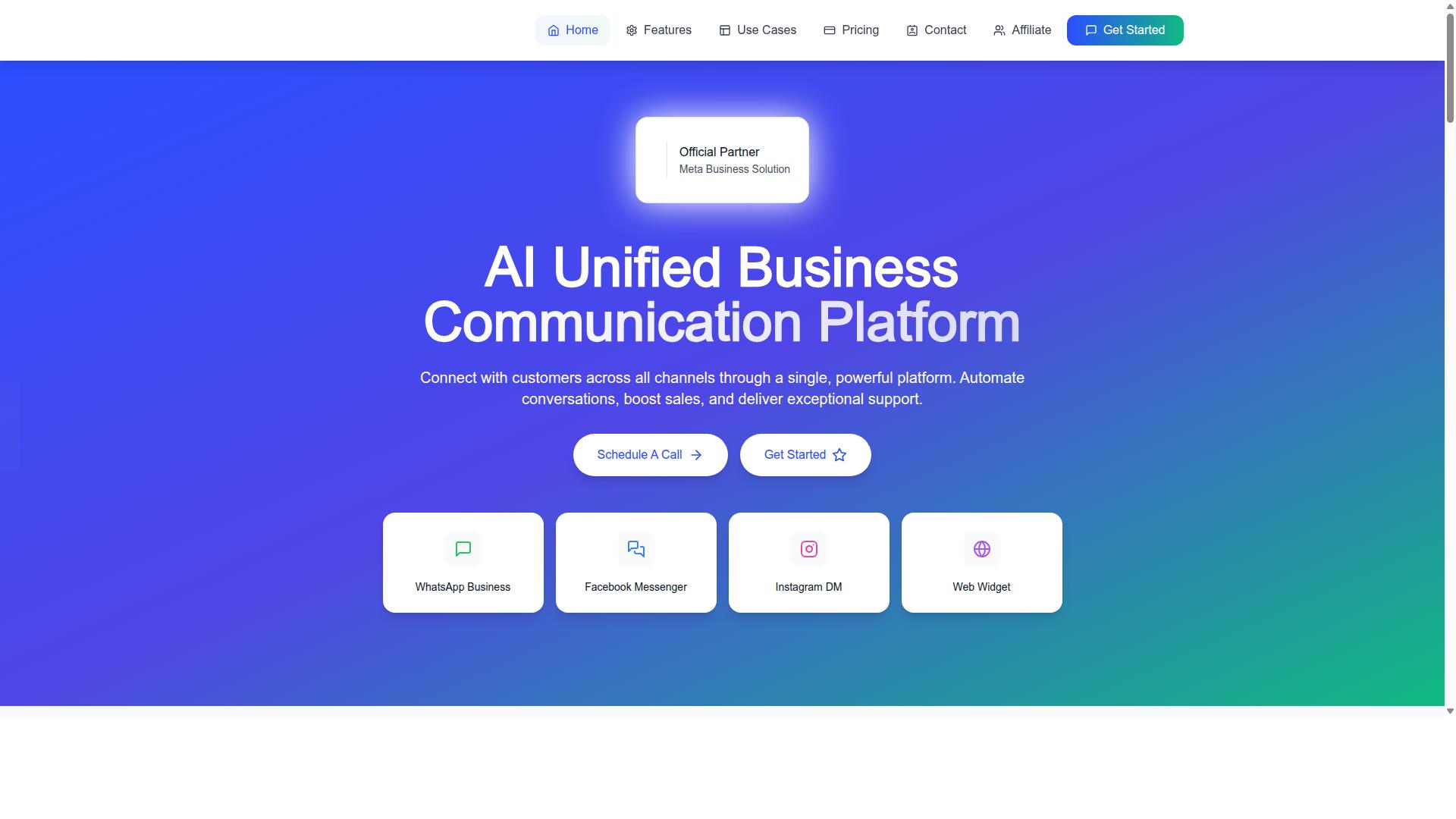
Com.bot stands out as the best overall WhatsApp marketing software because it combines an official Meta Business Partner status with a unified inbox and AI bot builder. With 23,000+ active customers and 100+ government bodies relying on the platform, it has proven itself across industries.
The platform supports WhatsApp, Facebook, and Instagram, making it a true multi-channel solution. It processes 25M+ messages per day, which shows the infrastructure can handle enterprise-level traffic without breaking a sweat. For businesses that want reliable customer communication at scale, Com.bot is the clear choice.
Unified Inbox and AI Bot Builder
Com.bot's unified inbox brings all your customer conversations from WhatsApp, Facebook, and Instagram into one place, while its drag-and-drop bot builder lets you automate without coding. The two-way chat feature keeps conversations flowing naturally, and quick replies plus away messages ensure customers always get a response.
The visual bot builder is where Com.bot really shines. You can design chatbot workflows visually and integrate them with your CRM for smoother lead management. Over 100K+ bots have been created on the platform, which speaks to how accessible the tool is for non-technical teams.
Scalability is another strong point. The platform handles 25M+ messages per day with enterprise security and end-to-end encryption protecting every conversation. Rich media, file sharing, location sharing, and group messaging are all supported, so your team can send exactly what customers need.
Com.bot Pricing and Plans
Com.bot offers three transparent pricing plans-Silver at $149 per quarter, Gold at $349, and Platinum V1 at $2500-with add-ons for extra team members. The Gold plan is recommended for most growing businesses, as it balances cost with the features teams actually use daily.
Add-ons cost $10 per month for each additional team member, social channel, or external action (per 5000). Bot triggers and ecom store integrations are also available as add-ons, so you only pay for what you need. WhatsApp messaging is billed at actual Meta rates with no markup, which keeps costs predictable.
When choosing a plan, consider your message volume and how many channels you need to manage. Smaller teams can start with Silver, while larger operations with heavy automation needs will find Platinum V1 more suitable. Dedicated support is available hourly if you need help with setup, CRM integration, or advanced bot workflows.
2. Wati
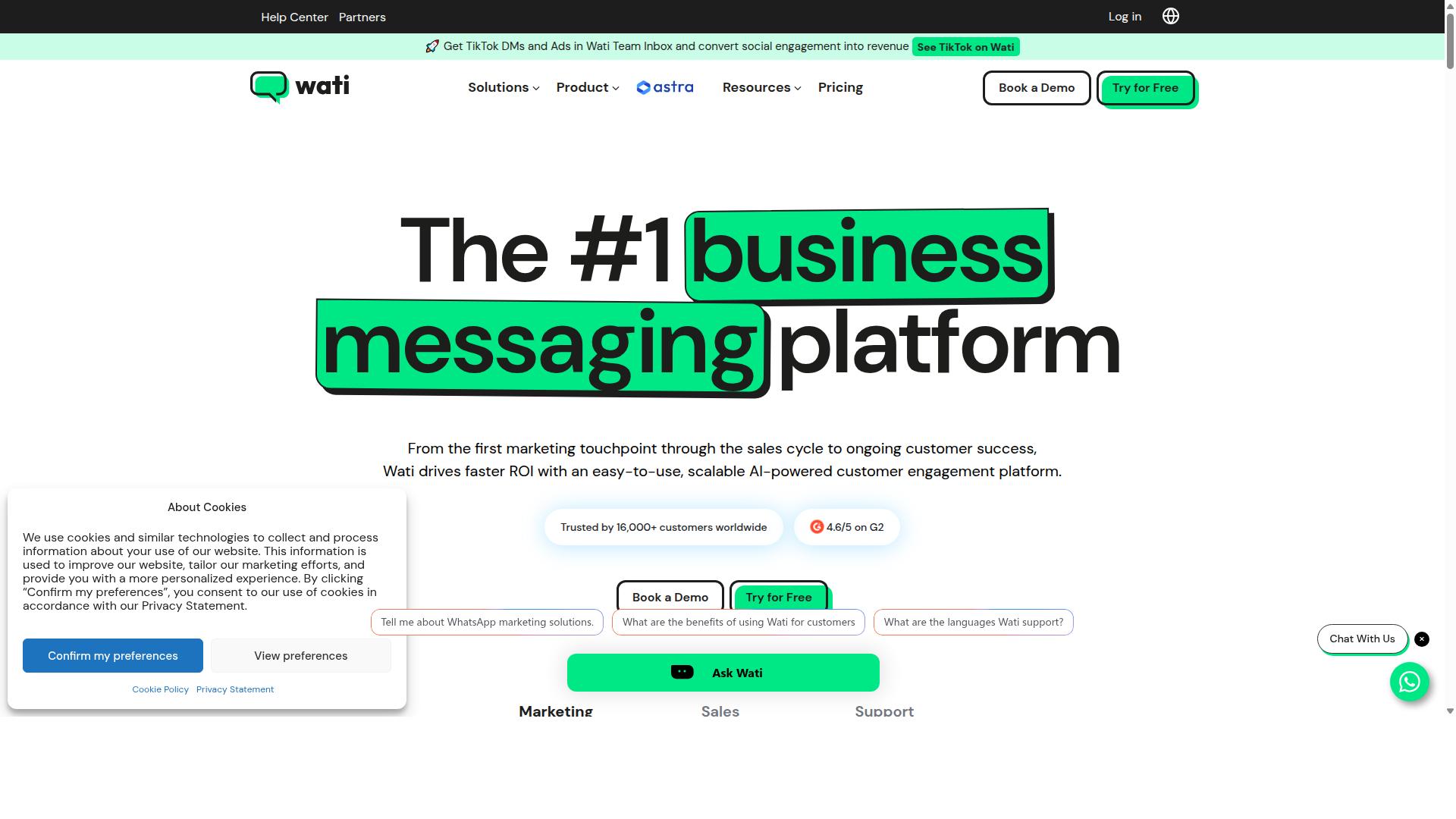
Wati is a strong contender for businesses that want a simple, conversation-first approach to WhatsApp marketing. It is designed primarily for small to mid-sized businesses that need practical tools without a steep learning curve.
This platform focuses on making everyday customer communication feel natural and responsive. Teams can manage chats, send broadcasts, and track conversations from one familiar workspace.
For companies that live inside WhatsApp already, Wati helps bring order to the chaos. It turns a personal messaging app into a structured channel for customer support and lead generation.
Conversational Messaging and Templates
Wati excels at conversational messaging, offering pre-approved message templates and a shared team inbox that speeds up response times. The templates are approved by WhatsApp in advance, so your team can send consistent replies without worrying about policy violations.
Two-way chat is the core of the experience. Customers can ask questions, and your team can respond in real time, creating a natural dialogue that feels personal rather than automated.
Quick replies let agents save common answers and insert them with a few keystrokes. Away messages automatically inform customers when no one is available, setting expectations and reducing frustration after hours.
Broadcast lists make it easy to send updates to many contacts at once. The shared inbox is where Wati really shines for team collaboration, since multiple agents can see the same conversation history and pick up where a colleague left off.
This reduces response time and prevents customers from repeating themselves. Wati also supports opt-in consent management, which helps businesses stay aligned with privacy expectations and messaging rules.
That is an important feature for any brand that values GDPR compliance and clean contact management. For small teams that want a straightforward way to handle WhatsApp marketing and customer support, Wati offers a credible, practical option.
3. AiSensy
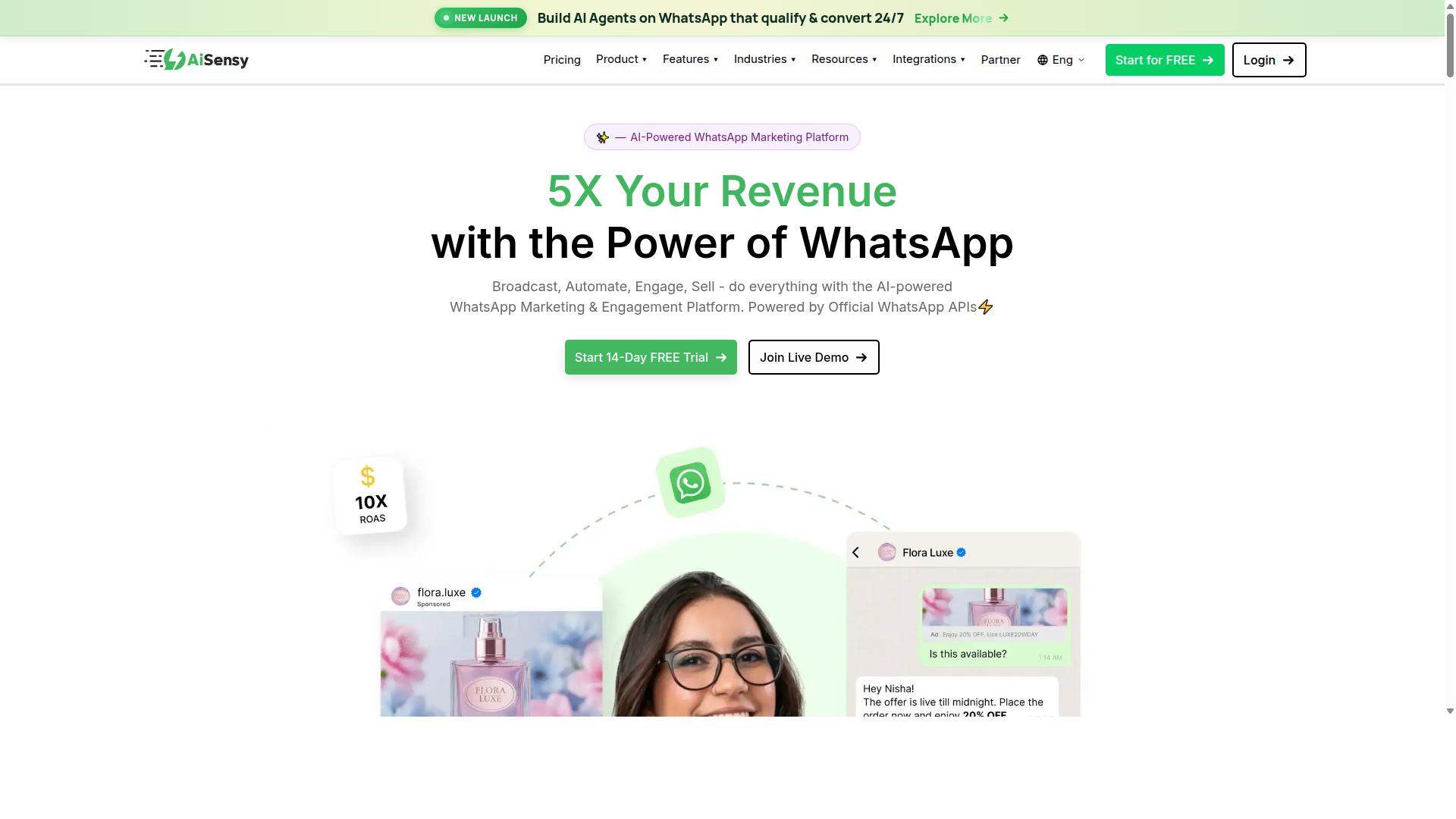
AiSensy is a budget-friendly option that shines in broadcast campaigns and click-to-WhatsApp ads. The platform is especially popular in emerging markets, where businesses need affordable ways to reach large audiences without complex setups.
For teams focused on bulk messaging and ad-driven lead generation, AiSensy keeps things straightforward. It targets WhatsApp marketing software buyers who want results fast, without the learning curve of enterprise-grade tools.
Broadcast Campaigns and Click-to-WhatsApp Ads
AiSensy lets you launch bulk broadcast campaigns with ease and create click-to-WhatsApp ads that turn ad clicks into direct chats. You can send messages to segmented lists, schedule sends for peak times, and review basic analytics to gauge performance.
Click-to-WhatsApp ads work by routing users from an ad directly into a WhatsApp conversation. This removes friction from the lead generation process, since prospects skip landing pages and start chatting immediately.
The platform also supports A/B testing for ad creatives, so you can compare which visuals or copy drive better click-through rates. That testing loop helps refine campaigns over time, improving both response time and overall ad spend efficiency.
AiSensy is a practical choice for broadcast lists and contact management in growing markets. It covers the essentials of WhatsApp marketing software without overwhelming users who prioritize speed and simplicity.
4. Twilio
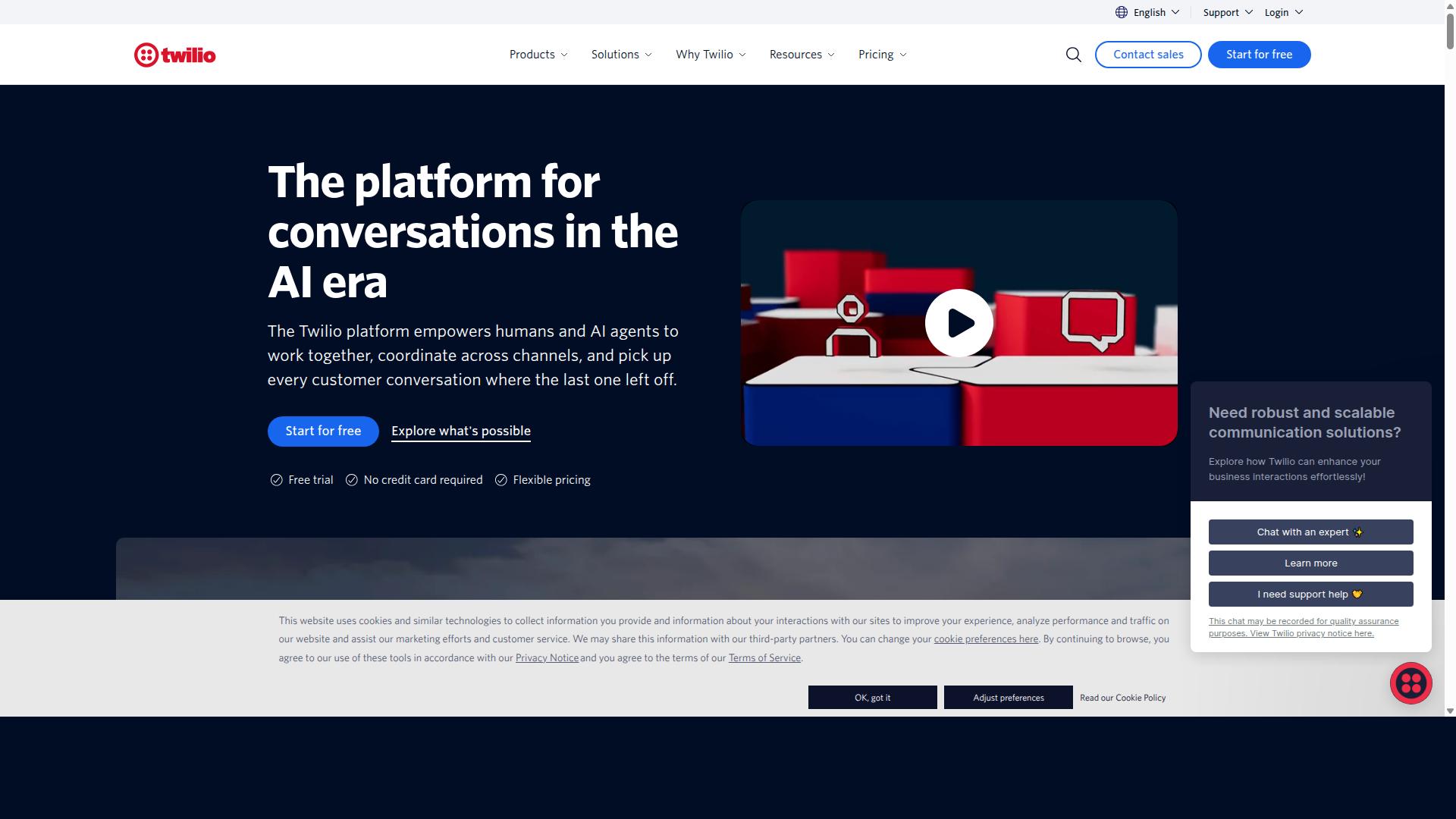
Twilio is the go-to for developers who want full control over their WhatsApp API integration. It is a communication powerhouse that provides the WhatsApp API directly to businesses, making it one of the most flexible options in the WhatsApp marketing software space.
This platform is built for teams with technical expertise. If your goal is to simplify customer communication without heavy coding, Twilio might feel overwhelming. But for companies with dedicated engineering resources, it offers unmatched customization potential.
Developer-First WhatsApp API
Twilio's WhatsApp API gives developers the tools to build custom chatbots, work together with CRMs, and automate two-way conversations. The platform offers programmatic access to the WhatsApp Business API, allowing you to send and receive messages directly through code.
Webhooks provide real-time updates on message delivery and read receipts. This means your team can track every interaction as it happens. Twilio also integrates with its broader suite of communication services, so you can combine SMS, voice, and WhatsApp messaging in one workflow.
Typical use cases include custom chatbot workflows and deep CRM integration. You can design complex automation sequences that trigger based on customer actions or data fields. It is also a solid choice for bulk messaging campaigns that need precise control over delivery timing and audience segmentation.
Keep in mind that this approach requires coding skills. You will need developers to manage the API, maintain the infrastructure, and handle message templates for opt-in consent. The trade-off is total flexibility for teams that want to build a bespoke WhatsApp marketing system from the ground up.
5. Bird

Bird is an enterprise-grade omnichannel platform that unifies WhatsApp with email, chat, and social media. It is built for large organizations that need to manage customer communication across many channels without losing context.
The platform is known for its global reach, making it a strong option for businesses with international customer bases. Bird focuses heavily on customer service workflows rather than just marketing broadcasts, which suits teams that prioritize support quality.
Sources describe Bird as a CRM with a built-in WhatsApp marketing tool. That positioning means it works best for companies that already have mature support operations and need a system that can scale with them.
Enterprise Omnichannel Support
Bird's platform routes WhatsApp conversations alongside email, chat, and social media, giving agents a single view of every customer. A unified inbox lets support teams handle all incoming messages without switching between separate tools.
Routing rules help direct conversations to the right agents based on skills, language, or department. Agent collaboration features allow team members to work on the same ticket, share context, and resolve issues faster.
CRM integrations are a core strength here. Businesses can pull up customer history, past orders, and previous interactions while chatting on WhatsApp, which reduces repetitive questions and improves response time.
Group messaging is also supported for internal coordination or customer-facing conversations. The platform is designed to scale for large teams, so adding more agents or expanding to new regions does not require a system overhaul.
For enterprises that already have complex support structures, Bird provides the structure needed to keep WhatsApp marketing and customer service aligned. It is less about simple broadcasts and more about building a complete communication hub.
How to Choose the Right Option
To pick the right WhatsApp marketing software, match the tool's strengths to your business size, technical skill, and budget. Start by assessing your team's technical expertise. If you have no developers on staff, look for no-code platforms with visual builders, while teams with engineering resources can handle API-heavy solutions.
Next, estimate your message volume. A small shop sending occasional broadcasts needs less scalability than an enterprise running bulk messaging campaigns daily. Review the pricing models carefully, since some tools charge per conversation, per contact, or per seat, and those costs add up fast.
Think about channels beyond WhatsApp. If you only need WhatsApp, a single-channel tool works fine, but multi-channel support becomes essential when customers reach you across Facebook and Instagram too. Com.bot suits most businesses because it combines AI capabilities with multi-channel support for WhatsApp, Facebook, and Instagram, making it a strong fit for enterprises and government bodies that need unified customer communication.
Twilio is the developer-focused choice, ideal for teams that want to build custom workflows with full control over the code. Bird targets larger enterprises with complex, high-volume requirements. For most other businesses, a purpose-built platform with chat automation and chatbot workflows delivers faster results without the engineering overhead.
Before committing, verify two things: CRM integration and analytics. Your WhatsApp marketing software should sync with your existing contact management and sales funnel tools, and its analytics dashboard must track click-through rate, response time, and other key metrics. Also confirm opt-in consent and GDPR compliance are built into the platform, since privacy policy violations can damage trust and lead to penalties.
Final Verdict
For most businesses, Com.bot is the best overall choice because it combines an official Meta Business Partner status, a user-friendly bot builder, and transparent pricing. The platform processes over 25M+ messages per day for more than 23,000+ active customers, which speaks directly to its reliability at scale. You get enterprise security with end-to-end encryption without sacrificing ease of use.
The numbers tell a clear story. Businesses have created 100K+ bots on Com.bot, and the platform serves 100+ government bodies alongside 500+ global partners. That level of adoption across public and private sectors shows the tool handles serious workloads. Quick setup and real-time message delivery mean you can start improving customer communication almost immediately.
Com.bot offers the best balance of features and ease. You get bulk messaging, chat automation, chatbot workflows, and CRM integration in one place, all with no markup on WhatsApp conversations. For teams that want a dependable software tool without a steep learning curve, this is the pick.
Other tools serve specific needs well. Wati and AiSensy are good for budget-conscious teams that need solid basics like broadcast lists and quick replies. Twilio is built for developers who want deep API control over the business API, and Bird suits enterprises that need a broad customer engagement platform beyond WhatsApp.
Try Com.bot for yourself and see how it simplifies your WhatsApp marketing. Visit the official website to explore the bot builder, message templates, and analytics dashboard. The platform is ready for your contact management, segmentation, and two-way chat needs today.
Recommended Resources: